
You Got the Flu — and Nobody Else Knew How Your Mother's Week Works
You are the one who knows the medications, the pharmacy and who has the spare key — which makes you the single point of failure. Here is the one-evening fix.
The changes that matter are rarely dramatic. They are small, ordinary, and easy to explain away one at a time.
Almost nobody calls us because of one big event. They call because of a stack of small things they had each excused separately — the mail piling up, the same four errands, a shower that used to happen every morning and now happens on Sundays. Alone, every one of those has an innocent explanation. Together they are a pattern, and the pattern is usually months old before anyone says it out loud.
These essays are about what that pattern looks like from the inside of the house. Most of them start with something I have actually seen on a first visit, because the specifics are what make it recognizable — not a checklist of symptoms, but the particular way a person's world quietly narrows. If you have been telling yourself you are probably overreacting, this is the section to start in.
You are the one who knows the medications, the pharmacy and who has the spare key — which makes you the single point of failure. Here is the one-evening fix.

Pet care is the last routine an older adult gives up. When it slips, it is usually telling you something the person cannot.

Bathing is the first daily task most older adults give up, and the reason is almost never stubbornness.

A parent who has quietly stopped sleeping lying down has told you something. Here is what the chair can mean, what to write down before the next…

Feet are the one part of an aging parent's body that nobody checks — not you, not him, and often not his doctor.

Every August my phone fills with adult children home from a summer visit who can't shake something they saw. You weren't imagining it. Here's how to read it.

Missed payments and slipping credit scores show up years before a dementia diagnosis — researchers found the money notices before the family does.

Older drivers rarely start driving badly. They quietly stop driving at night, then in rain, then on the freeway — until the route list is down to four…

She says she is just not thirsty. She is rationing — because getting to the bathroom stopped being automatic, and she will not say so.

He quarters the apple, then quarters the quarters. The mouth problem behind an aging parent's shrinking diet, why it raises pneumonia risk, and what West LA…

The family settled on depression: he had quit church, the senior lunch, even his granddaughter's graduation. The tell was that he had also quit coffee.

Six behaviors families read as early dementia are often an aging parent who simply cannot see well enough to read her own mail.

Families read it as early dementia. Clinicians read it as a room with bad acoustics.

A cough at the dinner table is easy to wave off, but when an aging parent coughs every time they drink, it can be early dysphagia, and the silent version is…

On the Westside we assume the ocean breeze handles the heat — until it doesn't, and the people most at risk are the ones who never feel it coming.

If you can name the day your parent changed, it is probably not dementia. Here is what sudden confusion usually means, and the 48-hour checklist to run…
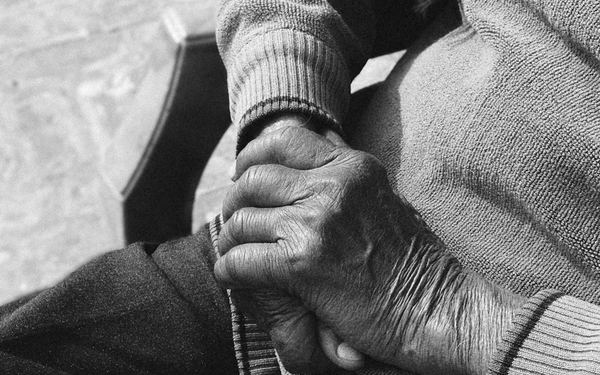
A nurse counts four things before taking his shoes off — a curled rug, three pharmacies, the grunt getting out of the recliner.

According to the Insurance Institute for Highway Safety, drivers over 70 have higher crash death rates per mile driven than middle-aged drivers.

Nearly one in two adults over 65 living at home is either malnourished or at serious nutritional risk, according to research published in the Journal of the…

The average American over 65 takes between 5 and 7 prescription medications daily, according to research published in the Journal of the American Geriatrics…

The National Center on Elder Abuse estimates that approximately 1 in 10 Americans over 65 experiences some form of elder abuse, yet research published in…

The National Sleep Foundation reports that more than half of adults over 65 experience at least one sleep complaint, with chronic insomnia affecting…

Malnutrition among older adults living at home is one of the most prevalent yet underdiagnosed health crises in the United States.

Research from the Family Caregiver Alliance shows that the average delay between when an aging parent first needs help and when their family takes action is…

When you live with someone, your eyes adjust to them. The shuffle, the slower turn at the kitchen island, the way they reach for the counter on the way to…

It's the most common conversation I have with families: I can see clearly that my parent needs help, the signs are unmistakable, and they refuse it.

The average adult over 65 takes between five and seven prescription medications a day. About 40% take five or more.
Not a sales call — a clinical and operational read on your loved one's situation, your family's needs, and whether CarePali is the right fit. Patrick personally leads every discovery call. If we're the right team, we'll show you exactly what care would look like for your situation. If we're not, we'll tell you who in the area is.
Prefer to talk first? Call or text (310) 818-3217.
Before you go
Not sure what your parent actually needs?
Ninety minutes in the home with Patrick, then a written care plan in your inbox within three days. $450 — and the plan is yours to keep. You keep the plan whether or not you ever hire us.